


A spin mop test is an essential step in assessing the functionality and quality of mops used for both residential and commercial cleaning. The test ensures that the mop’s materials, performance, and durability meet the required standards. In this article, we will explore the importance of spin mop testing, quality control for mop buckets, and key tests such as the yarn heat shrinkage test.
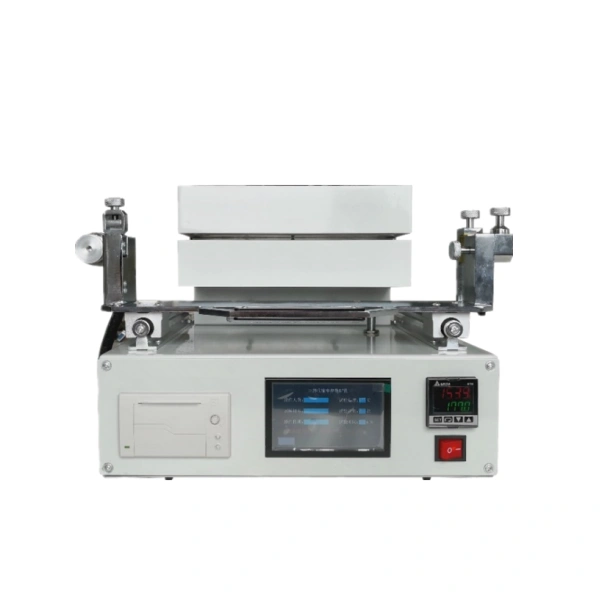
Mop Quality Analysis Solution: Evaluating Performance and Durability
The mop quality analysis solution involves a series of tests designed to measure key attributes of mops, including the material quality, effectiveness, and lifespan. These tests help manufacturers optimize product performance, ensuring that their mops offer both superior cleaning power and long-lasting durability.
Mop quality control starts with an assessment of the spin mop and bucket design, which impacts the mop’s cleaning efficiency. The quality of materials used for the mop head, handle, and bucket determines how well the mop performs in everyday cleaning tasks. In addition to the mop’s functionality, its ease of use and cleaning efficiency are also critical for user satisfaction.
Spin Mop and Bucket Quality Control
The quality control of spin mops and buckets ensures that each product meets the necessary performance standards. A high-quality spin mop must not only clean effectively but also offer features that improve usability. This includes an ergonomic handle, a durable mop head, and a bucket with an efficient wringing mechanism.
Testing the bucket’s wringing system is an important aspect of quality control. A poorly designed wringing system can lead to inefficient water extraction, which can affect the cleaning process and overall mop performance. By conducting regular quality checks on both the mop and bucket, manufacturers can ensure that their products meet the expectations of customers and pass safety and usability standards.
Mop Testing Items: Key Tests to Assess Mop Performance
Several important tests are conducted to assess spin mop performance. These tests include:
- Yarn Heat Shrinkage Test
One of the key aspects of mop testing is the yarn heat shrinkage test, which measures the behavior of yarns under heat. Yarns used in mop heads are often subjected to heat during production or cleaning processes, which can cause them to shrink, lose their shape, or deteriorate in quality. The yarn heat shrinkage test evaluates the yarn’s resistance to shrinkage and ensures that the mop head maintains its size and cleaning effectiveness over time. To conduct this test, the mop head material is exposed to heat under controlled conditions, and any shrinkage is measured. A significant shrinkage can reduce the mop’s cleaning surface, making it less efficient. - Water Absorption and Retention Test
The ability of a mop to absorb and retain water is essential for its performance. A mop with poor water retention may not be able to remove stains or grime effectively. This test measures how much water the mop head can absorb and how much it can hold before the water starts dripping out, ensuring that the mop head offers sufficient cleaning power. - Durability and Wear Test
Mops are subjected to frequent use, which can lead to wear and tear. To assess durability, the mop undergoes tests that simulate long-term use, including the number of cleaning cycles it can handle before the material starts to deteriorate. This helps manufacturers understand how well the mop will perform over time and under varying conditions.
Yarn Heat Shrinkage Test: Significance and Process
The yarn heat shrinkage test is particularly significant when testing mop heads made from synthetic fibers, such as microfiber or cotton blends. These fibers are often prone to shrinkage when exposed to hot water or high temperatures during washing. If the fibers shrink too much, the mop head will lose its effectiveness and cleaning surface area.
The process typically involves placing a sample of the yarn in a heated environment to simulate the washing or drying process. After exposure, the yarn is measured to determine the extent of shrinkage. A quality yarn used in mops will have minimal shrinkage, ensuring that the mop retains its original shape and cleaning capability.
Recommendations for Testing Equipment
To conduct spin mop tests effectively, it is important to use reliable testing equipment. Cell Instruments’ Yarn Thermal Shrinkage Tester is an ideal solution for accurately measuring yarn shrinkage and ensuring that mop heads maintain their quality and performance over time. This tester is specifically designed to test the heat resistance of various yarn materials and help manufacturers optimize their production processes for better durability.
 English (UK)
  Azərbaycan dili
  Беларуская мова
  Български
  Čeština
  Dansk
Dansk  ไทย
ไทย  فارسی
فارسی  Ελληνικά
  Eesti
Eesti  हिन्दी
  עִבְרִית
  Suomi
Suomi  Hrvatski
  Magyar
  Հայերեն
  Íslenska
  Bahasa Indonesia
  Italiano
  ქართული
  Bahasa Melayu
  Lietuvių kalba
  Latviešu valoda
  Nederlands
  Polski
  Norsk bokmål
  繁體中文
繁體中文  O‘zbekcha
  Українська
  Српски језик
  Русский
  Svenska
  Türkçe