


Introduction to Sponge Mop Test
The Sponge Mop Test is an essential quality control procedure designed to assess the performance and durability of cleaning tools, especially mops. This test evaluates several critical aspects, including the mop coefficient of friction, friction force, and overall mop quality testing items. Whether you’re manufacturing mop heads or cleaning cloths, ensuring their effectiveness and longevity requires precise testing to meet industry standards.
This article delves into the core elements of the Sponge Mop Test, including its significance, key testing parameters, and the tools required for effective testing. It also highlights how mop ხარისხის კონტროლის ტესტირება ensures that mops perform optimally while maintaining a balance between efficiency and durability.
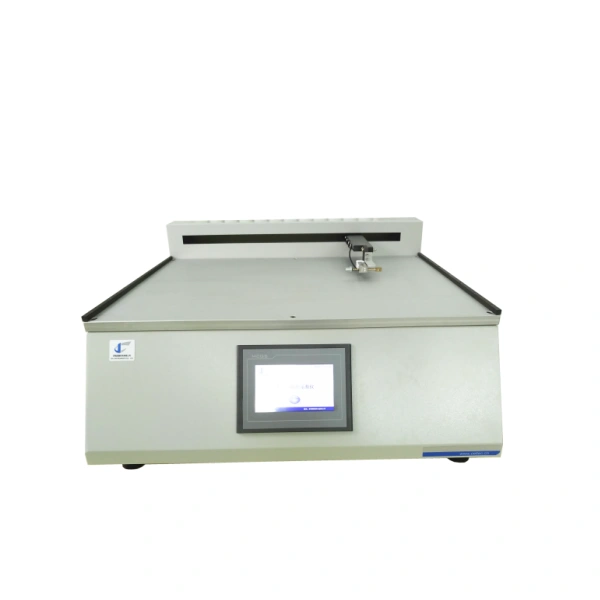
Mop Quality Control Testing
Mop quality control testing is crucial to guarantee that the final product can withstand frequent use, ensure safety, and deliver superior performance. The Sponge Mop Test includes various parameters that contribute to assessing the quality of mops. These include the mop coefficient of friction, which determines how well the mop grips the surface while cleaning, and the mop friction force testing solution, which measures the resistance encountered by the mop during use.
By testing the friction properties of the mop cloth or head, manufacturers can optimize the material composition and design to achieve a balance between cleaning effectiveness and product wear. The key testing items include:
- Friction Coefficients (Static and Kinetic)
- Cleaning Efficiency
- Durability and Wear Resistance
The Importance of Mop Coefficient of Friction Testing
The ხახუნის ტესტირების მოპ კოეფიციენტი plays a critical role in understanding the frictional resistance between the mop and the cleaning surface. There are two main types of coefficients measured in this test:
- Static Friction Coefficient: This coefficient measures the frictional resistance when the mop is stationary. It reflects how much force is required to initiate movement, helping assess how well the mop will adhere to surfaces before any motion occurs.
- Kinetic Friction Coefficient: This measures the friction encountered when the mop is in motion, indicating how smoothly the mop can glide across surfaces. Ideally, the kinetic coefficient should be low enough to ensure smooth operation but not too low that the mop skids.
Both friction coefficients contribute significantly to the mop ხარისხის კონტროლის ტესტირება, helping manufacturers design mops that are both effective and user-friendly.
Mop Friction Force Testing Solution
The mop friction force testing solution provides an in-depth analysis of how mops interact with different surfaces. Using a specialized tester like the Cell Instruments Mop Coefficient of Friction Tester, manufacturers can evaluate the frictional forces acting on a mop during use. This tester records both static and kinetic friction forces, providing valuable data for optimizing the cleaning process.
During the test, a controlled weight is applied to the mop head, and it is dragged across various surfaces (such as tiles, wood, or carpet). The resulting friction forces are recorded and analyzed to determine how the mop’s design and materials contribute to its cleaning ability. By adjusting the materials, shape, and structure based on these results, manufacturers can improve the performance of the final product.
Key Parameters for Sponge Mop Test
Several key parameters must be evaluated during the Sponge Mop Test to ensure that the product meets industry standards and consumer expectations. These parameters include:
- Coefficient of Friction: The balance between static and kinetic coefficients ensures the mop is both effective at cleaning and comfortable for the user.
- Friction Force: The force required to move the mop across different surfaces is crucial for evaluating how easily the mop can glide while cleaning.
- გამძლეობა: The ability of the mop to withstand repeated use without significant wear or damage is essential for determining its long-term performance.
- Material Properties: The materials used in the mop cloth or head significantly affect the friction properties, and the testing process helps identify the most suitable materials.
Testing Process
The Sponge Mop Test follows a systematic process to measure various parameters:
- ნიმუშის მომზადება: The mop head or cloth is securely attached to a testing platform. Different load weights are applied to simulate real-life cleaning conditions.
- Friction Testing: The Cell Instruments Mop Coefficient of Friction Tester is used to measure both static and kinetic friction coefficients. The mop is moved at a controlled speed over various surfaces.
- Data Collection: Frictional forces are recorded and analyzed, providing valuable data for improving the design and performance of the mop.
- Analysis and Adjustment: Based on the test results, manufacturers can adjust the material, design, or construction of the mop to optimize its performance.
Conclusion
The Sponge Mop Test is an essential part of mop ხარისხის კონტროლის ტესტირება, ensuring that cleaning tools meet the necessary standards for friction, durability, and effectiveness. By understanding key factors like ხახუნის ტესტირების მოპ კოეფიციენტი და mop ხახუნის ძალის ტესტირების გადაწყვეტილებები, manufacturers can deliver products that provide a superior cleaning experience.
Using advanced testing equipment like the Cell Instruments Mop Coefficient of Friction Tester allows for precise data collection, helping optimize mop performance and enhancing product durability. This ensures that the final product performs consistently well over time, providing value to both consumers and manufacturers.
 English (UK)
  Azərbaycan dili
  Беларуская мова
  Български
  Čeština
  Dansk
Dansk  ไทย
ไทย  فارسی
فارسی  Ελληνικά
  Eesti
Eesti  हिन्दी
  עִבְרִית
  Suomi
Suomi  Hrvatski
  Magyar
  Հայերեն
  Íslenska
  Bahasa Indonesia
  Italiano
  Bahasa Melayu
  Lietuvių kalba
  Latviešu valoda
  Nederlands
  Polski
  Norsk bokmål
  Slovenčina
  繁體中文
繁體中文  O‘zbekcha
  Українська
  Српски језик
  Русский
  Svenska
  Türkçe